
What a machine’s vibration tells you
Every running machine has a vibration signature: the characteristic pattern of vibration it produces in operation. That signature reveals more about the condition of a machine than any other nondestructive test. A small developing bearing fault changes it. So does unbalance, a misaligned shaft or coupling, looseness, or dozens of other faults.
Applied properly, vibration analysis detects small mechanical defects long before they threaten the machine. That gives you the lead time to plan repairs around your production schedule — so you control the machines instead of the other way around.
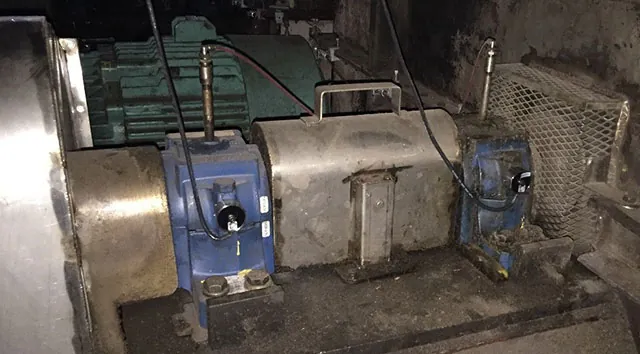
What we can detect
- Unbalance
- Shaft and coupling misalignment
- Bent or bowed shafts
- Mechanical looseness and soft foot
- Rolling-element bearing defects
- Gear mesh problems
- Belt and pulley problems
- Resonance and structural issues
- Rubs and clearance problems
- Electrically induced motor vibration
How we do it
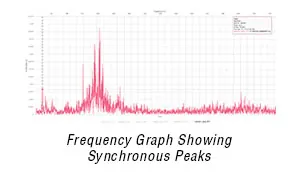
We collect vibration data with portable analyzers and accelerometers placed at the bearings. The analyzer converts the signal into a frequency spectrum, and where needed we also look at the time waveform and phase. Because each fault shows up at its own frequencies, the spectrum tells us which component is the source and how severe the problem is.
You get a prompt interpretation of the results and a written report with specific findings and recommendations — including whether the repair is urgent or can wait for the next scheduled shutdown. When the cause is unbalance, we can usually trim balance the machine on the spot.
When to call for vibration analysis
- A machine is noisier, rougher or hotter than it used to be
- Bearings, seals or couplings keep failing
- Acceptance testing of new equipment and installations
- Quality check after a major overhaul or rebuild
- Setting a baseline for a predictive maintenance program
The benefits
- Move from run-to-failure or calendar-based maintenance to predictive maintenance
- Fewer unscheduled shutdowns
- Maintenance labor directed where it’s actually needed
- Better spare-parts planning
- Longer bearing and machine life, and lower energy use